Not Minimal, Not Maximal, India Is Reclaiming Its Own Design Language The Khazana in Our Backyard
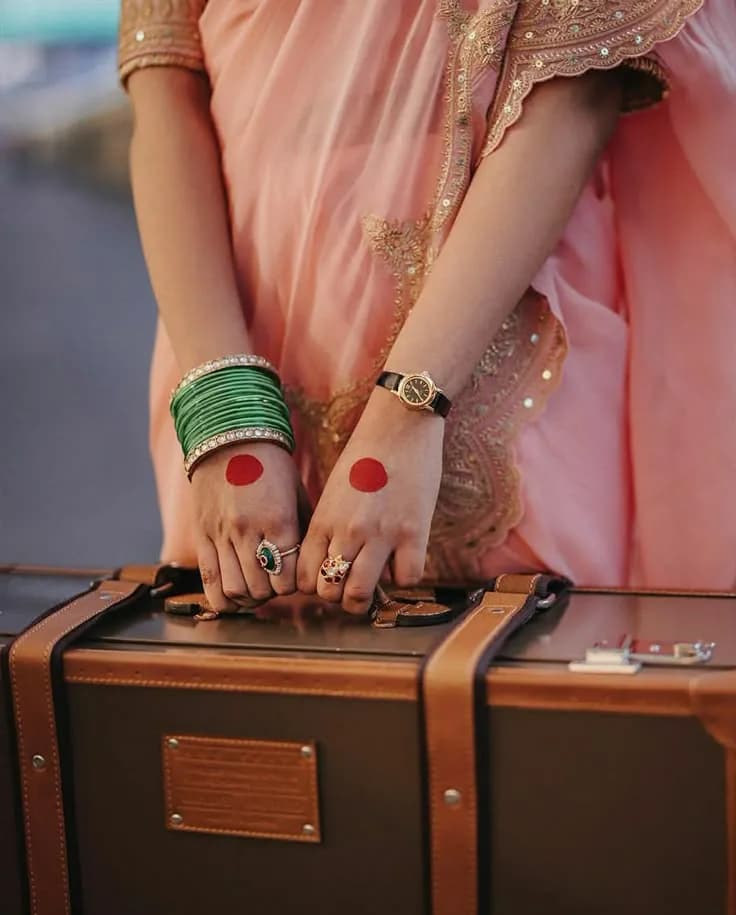
The sun has finally set on the long days when we quietly allowed our heritage to be pinned to a moodboard in a European atelier without so much as a footnote. Today, in our collective outrage over the cultural appropriation we are bombarded with, thanks to the dissemination power of our Instagram feeds, we must look beneath the digital roar of cancel culture to find what lies behind it, a shimmering realisation. The purpose that this uproar has served deserves a higher destiny. It must force us to finally recognize the literal gold mine of crafts we have been simply hiding in our bed boxes, almirahs, and sandooks. This is not to say that the Columbus-ing of our motifs stands justified for the greater good, but rather an acknowledgment that the gaze of the West has acted as a catalyst for us to reclaim our colours.
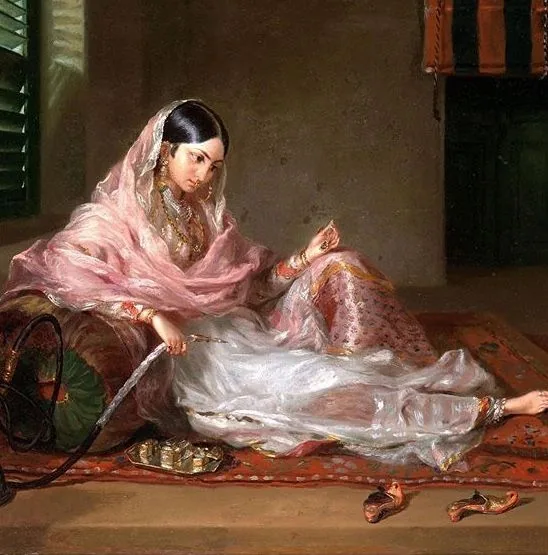
We had to be stopped! Through legislative power, from the Roman Empire’s obsession with the “woven wind” of Dhaka muslin, which they reportedly paid for in equal weight of gold, to the Chintz Mania that forced the British Parliament to pass the Calico Acts because our vibrancy was bankrupting their looms. Fast forward to today, where our saree has become a statement of power, challenging its status as an exotic curiosity and becoming the ultimate power play on the global stage. Global celebrities donning a saree go beyond simply trying a new style or leaning into their current environment; it is an acknowledgment of a 5,000-year-old lineage of unstitched grace that no one across the globe can “improve.”
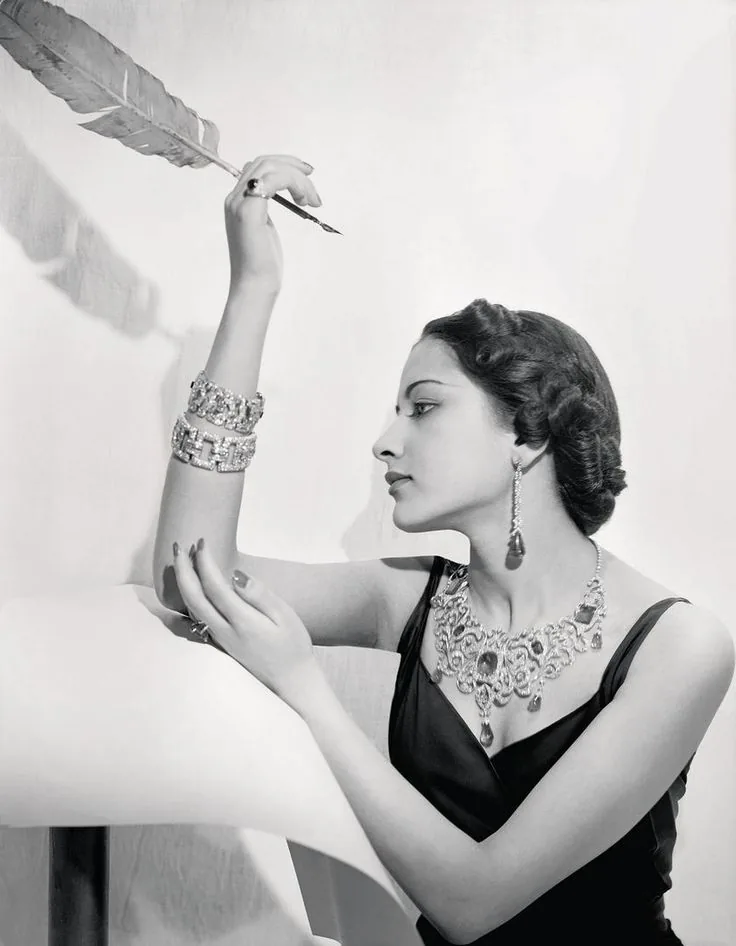
When we admire the structural sorcery of Gaurav Gupta, Rahul Mishra, and Amit Aggarwal, we have to pay our reverence to what first came from the descendants of the karigars who dressed the Nizams of Hyderabad in pearls. We have to begin with the crafts that existed in their vibrancy, which we now term maximalist, but which survived in the colours of the Mughal karkhanas and the temple grandeur of the Cholas, understanding that what we recognise today as tradition can be reconstructed as the world’s haute couture. The question you have to ask yourself is this: are we inherently maximalists who find comfort in the “more is more” philosophy of royal courts and their revered artisans, or are we closet minimalists reclaiming the Vedic simplicity of unstitched fabric? When do we shed one skin for the other, and does our personality shift with the weight of our jewellery?
The Cultural Amnesia
With just like any interesting society, we coexist with irony. While we reclaim our maximalist throne, a parallel wave of stark, “trending,” clinical minimalism has swept through our urban centres. This Indian-witnessed “Millennial Minimalism,” a far cousin of the Bauhaus movement and the sterile perfections of Jil Sander, was reshaped to suit the then-Seattle sensibilities of the 80s–90s, influenced by bands like Nirvana, Pearl Jam, and Soundgarden. More often than not, it was expressed through flannel shirts, chinos, and a devil-may-care styling for the rest of the fit. It manifested into our Indian styling through our digital windows, Instagram, Facebook, and through these very brands entering India.
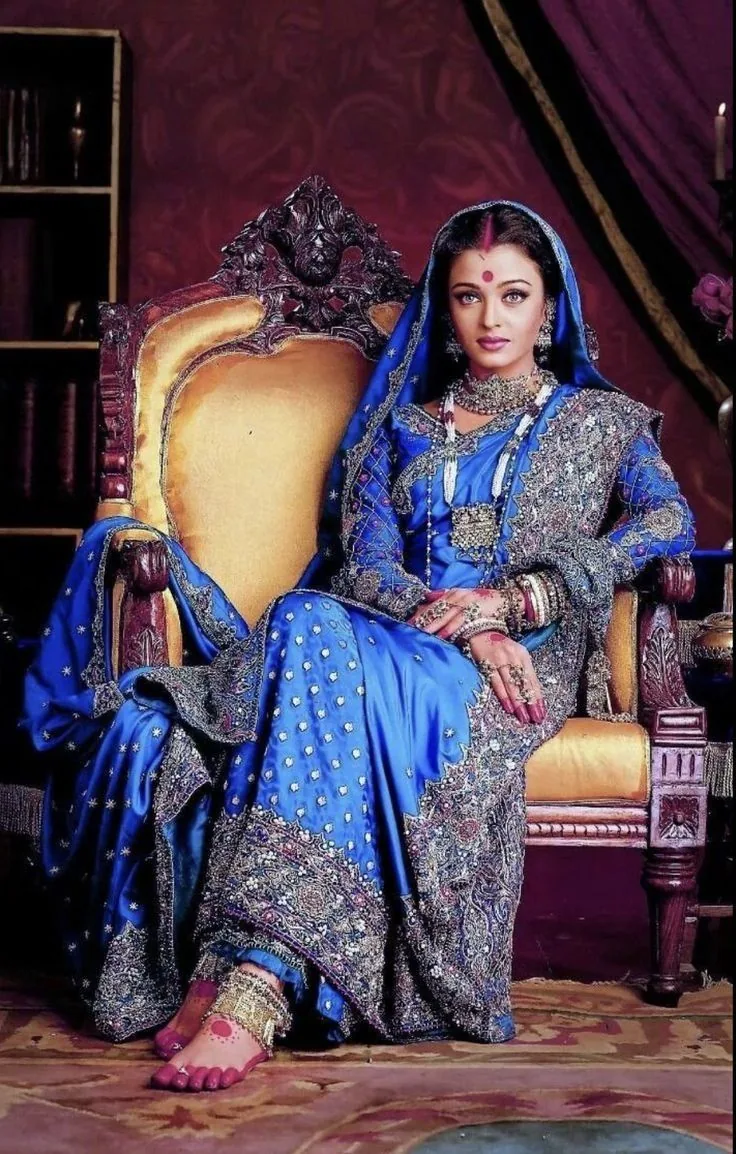
This shift first revealed itself in our architecture, through the brutalist-lite cafés of Bandra, and then bled onto what we chose to wear. Indian cinema, which once stood at the core of glittering escapism, too pivoted towards a more “refined” aestheticism, from the Nitin Desai-designed opulence of Devdas (2002) to the Zoya Akhtar protagonists in Made in Heaven. This was a challenge taken head-on by Sanjay Garg through his brand Raw Mango, and his debut collection “It’s Not About the Flower” at London Fashion Week, where he carried forward the Indian weave while giving a pause to gold embroidery and overt maximalist design. But amidst all this transition, we did not quite realise when we traded off our Rani colours, questioning our own traditional vibrancy for a simplistic, acceptable moodboard, one that now, when reflected back at us through a Bandhani in a European boardroom, leaves us enraged.
The Choice of Finally Owning Your Narrative
We are a nation where our generation, no matter the globalisation, holds great pride in our roots, standing tall in a quiet, sovereign confidence of our own duality, whether draped in the Vedic silence of Sujanpur handloom or marking its presence through heirloom zardozi passed down, wrapping around us like the warm hugs of a Kashmiri Pashmina or Jamawar shawl from our grandparents, and hence, the choice is finally, legally and culturally ours.
Sources
Fashion History & Minimalism The Museum at FIT, archival commentary on 1990s minimalism L’Officiel Archives, 1990s runway transitions and minimalism resurgence Vogue Archive, evolution of minimalism, supermodel era, and post-recession fashion shifts Cultural & Design Shifts in India Vogue India, resurgence of maximalism and cultural identity in design Industry commentary on Indian design language, branding, and visual culture Designers & Industry References Rahul Mishra, couture and mindful luxury philosophy Gaurav Gupta, sculptural maximalism Amit Aggarwal, material innovation and Indian futurism Sanjay Garg, textile-led minimalism Cinema & Cultural Referencing Devdas Made in Heaven Historical Context Dhaka Muslin trade history British Calico Acts and Chintz trade restrictions Mughal karkhanas and Chola textile heritage

Vanshika Verma
Founder & Editor-in-Chief
Vanshika Verma founded Strategist’s Cut to explore the intersection of fashion, law, and capital. Drawing from research training and experience inside a fashion brand, her work examines how influence, markets, and cultural power are structured. With a background in legal analysis, market research, and digital media, she approaches publishing as a way to decode the systems shaping fashion, luxury, and business.